
The initiative, led by Pontificia Universidad Católica de Chile, Tecnológico de Monterrey, and Universidad San Francisco de Quito, will seek to standardize quality training through AI-assisted asynchronous feedback, without increasing the teaching workload.
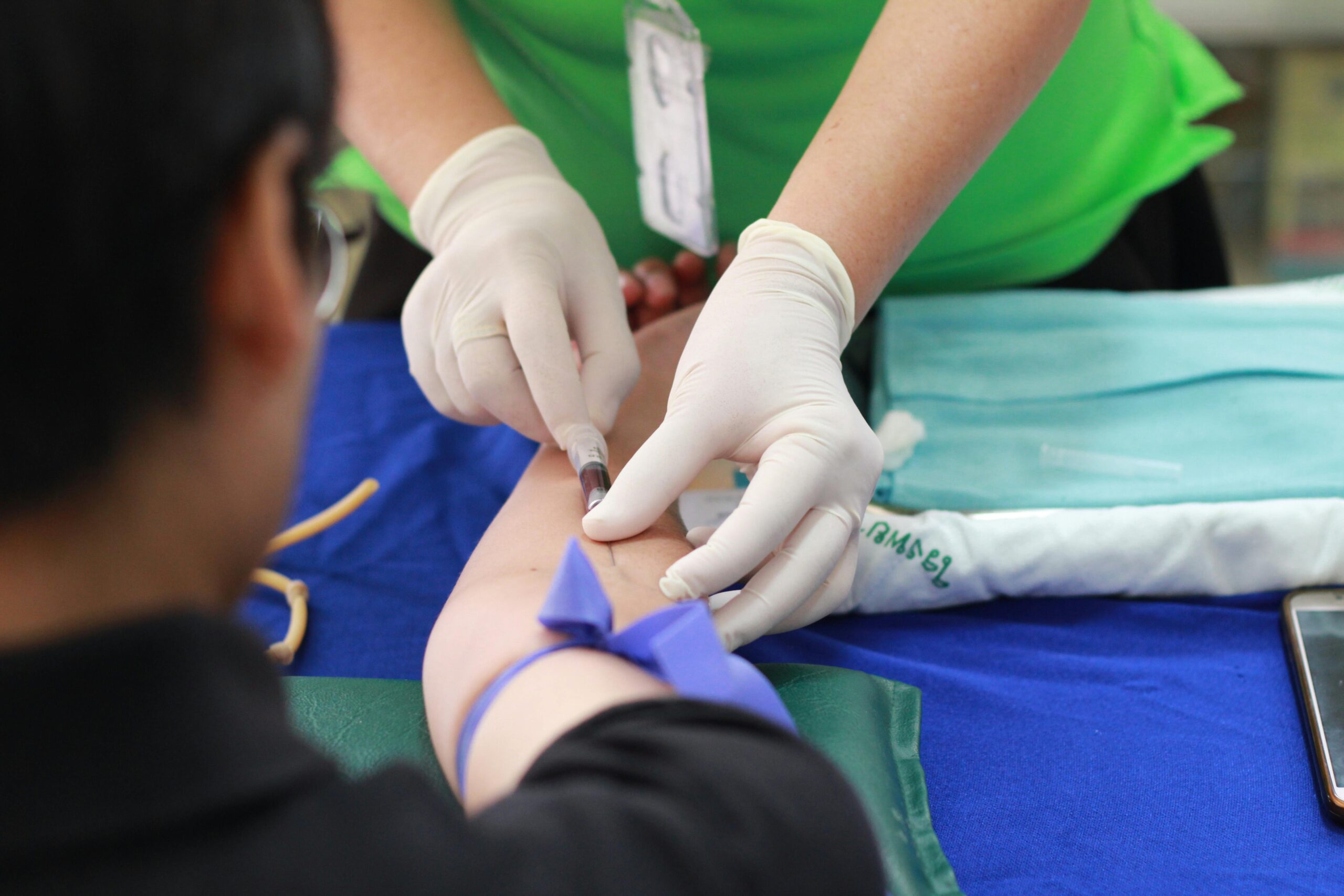
Thanks to securing one of the ten “Seed Fund” research grants from the Hemispheric University Consortium, researchers from three academic institutions across the Americas – Pontificia Universidad Católica de Chile, Tecnológico de Monterrey, and Universidad San Francisco de Quito – will work to implement an innovative remote feedback platform assisted by Artificial Intelligence. This platform will focus on teaching practical skills for students in healthcare degree programs.
For Professor Dr. Julián Varas from Pontificia Universidad Católica de Chile, this research will contribute significantly to the development of practices in the healthcare area: “The problem motivating this work is the difficulty in scaling training based on in-person workshops, which is costly and dependent on many instructors, without sacrificing the quality of feedback or practical learning,” he mentioned.
The system to be developed will be worked on in four phases. In the first phase, each university must upload the specific procedures from their curricula to the platform. A second phase will involve faculty training related to the use of AI and the interpretation of results. The third stage will implement institutional pilots where students from the universities will upload their videos to the platform to receive comments and preliminary observations provided by the AI, which will later be complemented by instructors and peers. In a final phase, the evaluation and analysis (quantitative and qualitative) of the results will be conducted to make adjustments to the platform.
Objectives and Research Team
The research will seek to demonstrate greater scalability, meaning the platform allows for training large cohorts without increasing the teaching workload; measure improvements in skill acquisition and retention thanks to AI-assisted personalized feedback; generate metrics that help teachers refine their own feedback; and produce publications that serve as a basis for expanding the methodology to other disciplines and institutions.
The development of this project is thanks to a strategic collaboration with defined roles among academics from the three leading institutions:
Surgeon and Director of Educational Innovation, specialist in clinical simulation and learning analytics. He has published more than 50 articles and leads projects on AI-assisted feedback
Researcher in educational technology and coordinator of the Educational AI Laboratory. Her work focuses on competency dashboards and she has led digital implementations for over 700 students.
Surgeon and Alternate Director of the Simulation Center at UC Chile. Creator of the C1DO1 platform and leader in simulation projects across 13 countries, with more than 90 publications.
Cirujano y director alterno del Centro de Simulación UC. Creador de la plataforma C1DO1 y líder en proyectos de simulación en 13 países, con más de 90 publicaciones.
“The fund will allow covering the customization of the platform for each institution and discipline, developing faculty training workshops and initial technical support, covering data collection, storage, and analysis costs (licenses, servers), and it is expected to enable the dissemination of preliminary results at conferences and academic events,” stated Dr. Varas, who valued obtaining this funding as it will contribute to the development of this research. The researchers mentioned that the awarding of this resource implies significant advances in the area of health education.
HUC Seed Fund
The HUC Seed Fund is an initiative designed to foster collaborative research among member universities of the consortium, aiming to generate innovative solutions to key social challenges in Latin America and the Caribbean. During 2024, the call for proposals selected ten projects involving researchers from various universities that seek to address one of the priority areas defined by the consortium.
The institutions that make up HUC are Universidad Austral (Argentina), Universidade Estadual de Campinas (Brazil), York University (Canada), The University of the West Indies (Caribbean), Universidad de los Andes (Colombia), Tecnológico de Monterrey (Mexico), Universidad de Costa Rica (Costa Rica), Universidad San Francisco de Quito (Ecuador), Universidad Peruana Cayetano Heredia (Peru), Pontificia Universidad Católica de Chile, Universidad Andrés Bello (Chile), University of Miami (United States), and Pontificia Universidad Católica Madre y Maestra (Dominican Republic).